IN GREECE
Insulators History
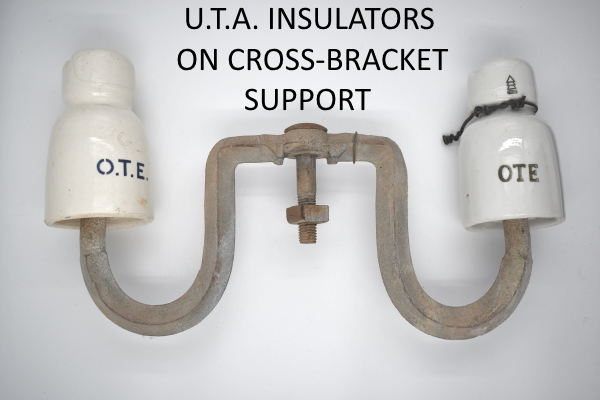
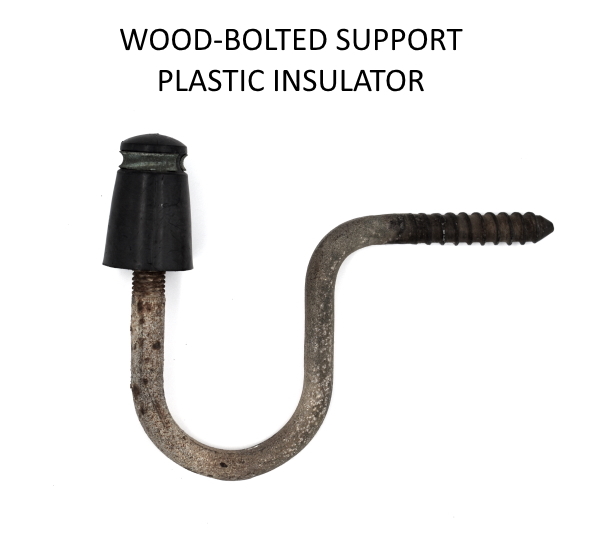
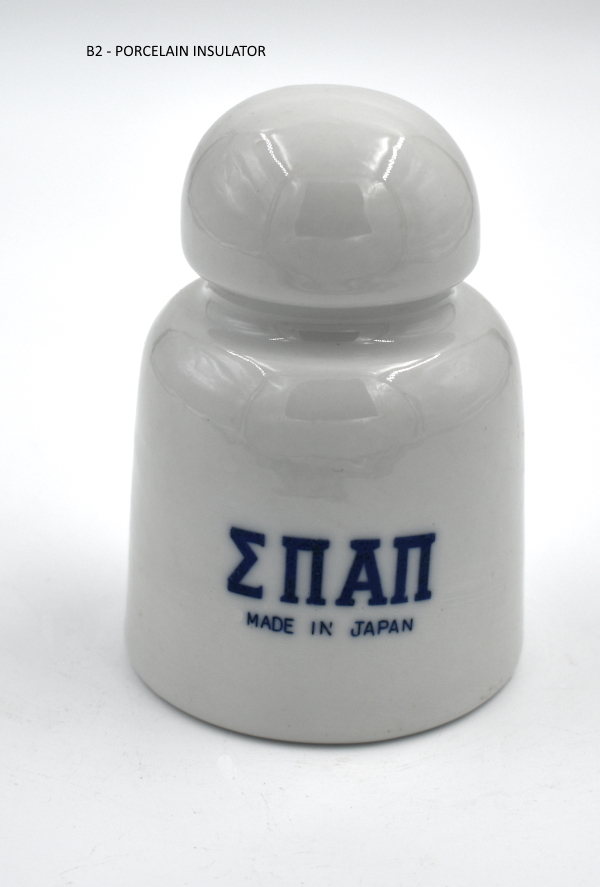
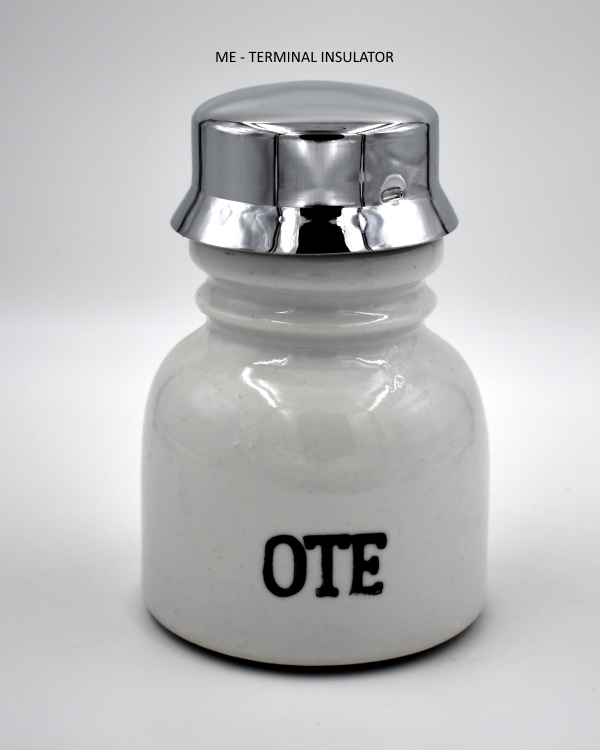
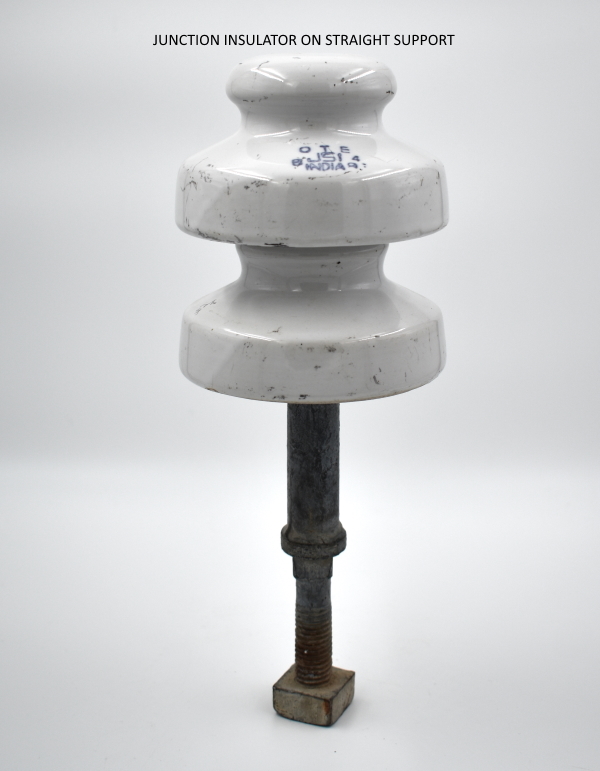
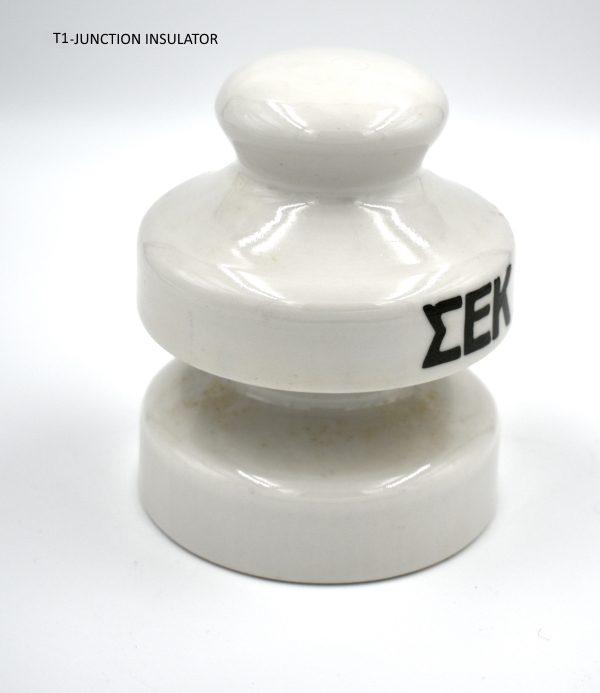
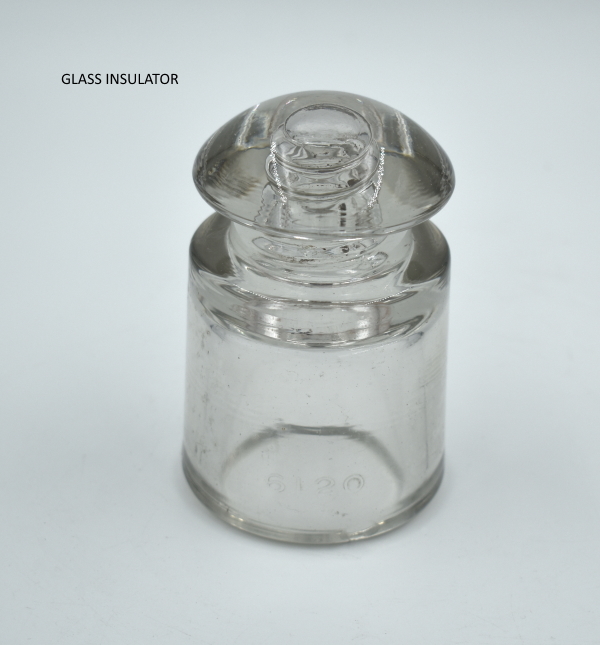
With the birth of telegraphy, insulators were an integral part of the operation of telegraph circuits. The insulators were necessary for the support of the telegraph and later telephone wires on the poles but also for the insulation of the lines from the metal parts of the reinforcement. They were made of different materials but are mainly divided into three categories, porcelain, glass or plastic. They made their appearance in Greece with the construction of the first telegraph network in 1859. In 1892, during the Government of Charilaos Trikoupis, the law on the establishment of a telephone service was passed. Since then we will see the insulators in telephone circuits as well. In Greece, mainly insulators made of porcelain were used. Towards the end of their use, OTE was also supplied glass from America but also plastics whose use was minimal. The first insulators were white. Later on the Athens-Piraeus railway SPAP we will see the initials written on the insulators, sometimes in Greek characters and sometimes in Latin, sometimes in green letters and sometimes in blue. With the creation of the Greek State Railways, we will find insulators that have the initials SEK written on them, sometimes in Greek characters and sometimes in Latin. In 1895 the TTT service is founded where it merges all telegraph and telephone services. From then until 1949, when OTE was founded, all insulators wrote the TTT logo on them. when embossed and when not, when in blue letters and when in green. The same happens with the establishment of OTE, the insulators now bear the initials of the new state-owned company. Many of the insulators other than the initials of SPAP, SEK, TTT and OTE sometimes indicate the country of origin, the year of production or even the production company. German-made insulators usually have the logo of the porcelain factory produced or engraved inside the porcelain in color. The insulators used in Greece were distinguished in four types. Insulators B2, common insulators which were mounted on wood-bolted supports as well as on straight, curved or cross-bracket supports. The UTAs, which were larger in size and were mounted on wood-bolted YOT supports and on German antenna supports. T1 insulators, also known as junction insulators, is two-position insulators. And finally the ME insulators also known as terminals that were necessary for the termination of circuits. Their peculiarity was the existence of a metal cap on the upper point of the insulator whose purpose was to protect the connection point of the input cable with the line wire from weather phenomena (humidity, rainfall).