
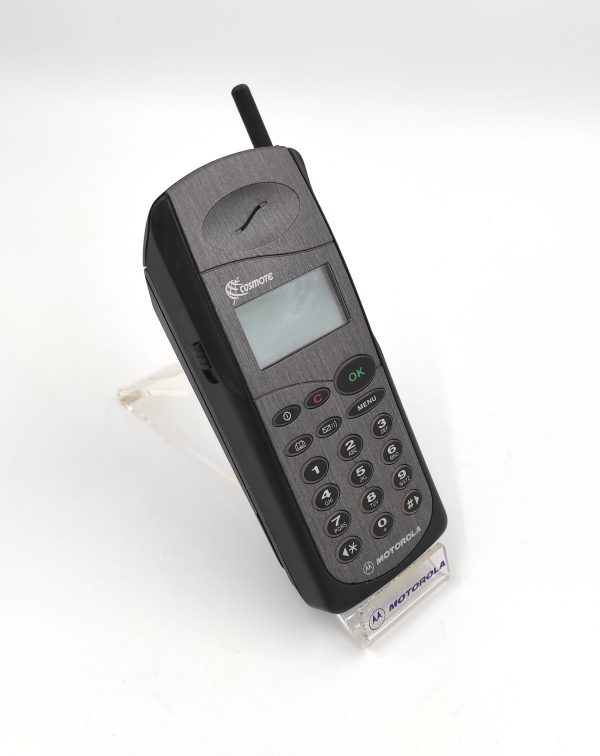
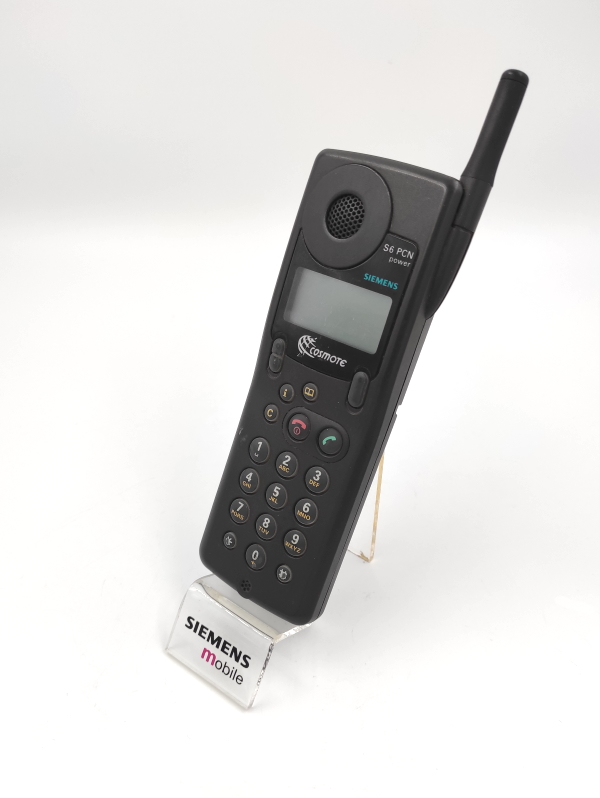
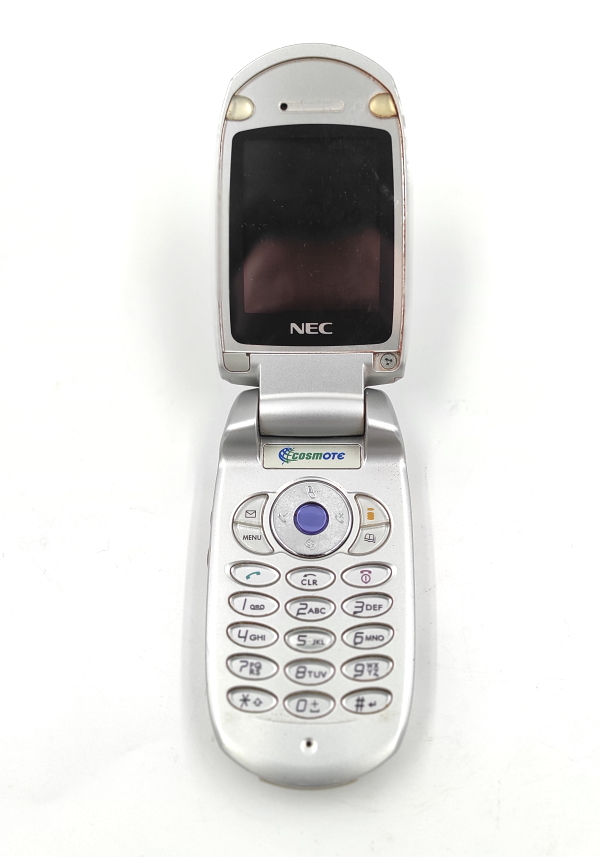
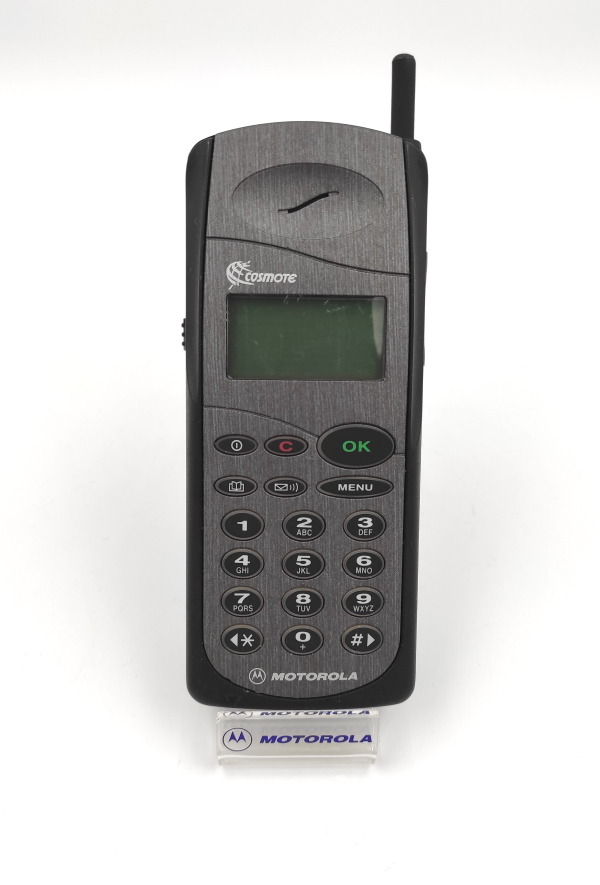
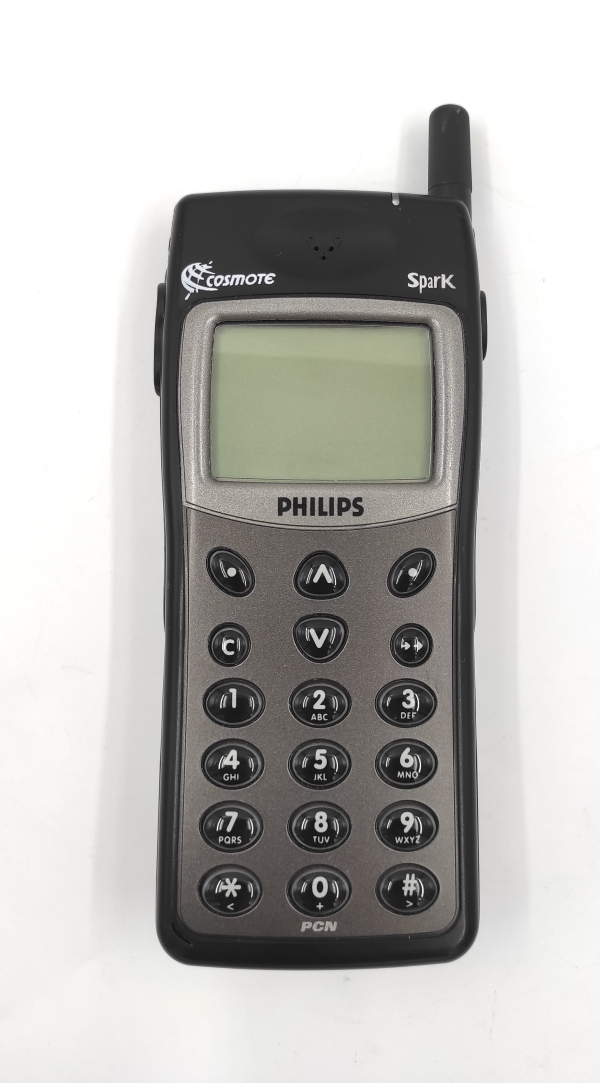
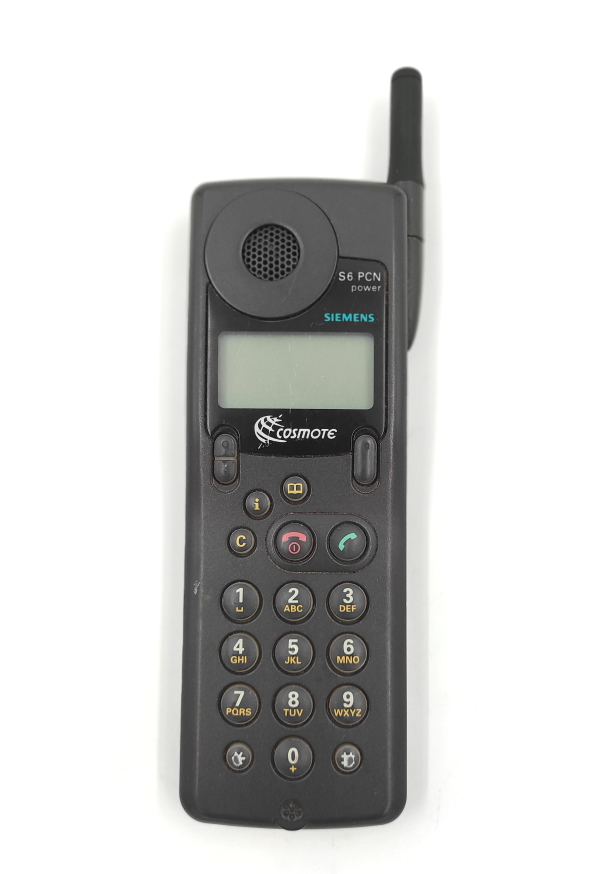
A mobile phone is a telephone that is not connected to a cable with a fixed telephony network. Mobile phones use cell technology and transmit at high frequencies. Wireless signals are used to communicate between a mobile phone and telecommunication cells. When a telephone is too far away from a cell, an electronic system sends commands to the mobile unit and to a nearest cell to communicate with each other without interrupting the call. Calls to each cell are served by channels that can serve more than one cell. Thus, the cells allow the extended frequency reuse as long as they are not adjacent to each other, so that they can use the mobile phones at the same time. The advent of mobile telephony began shortly after World War II, with the first efforts of the Swedes, Finns and Americans. The first cell phone with a cellular structure was demonstrated by John F. Mitchell and Martin Cooper of Motorola in 1973, which weighed about 2 pounds. In 1979, the Japanese Nippon Telegraph and Telephone (NTT) launched the first mobile network. Advances in mobile telephony have been traced to successive generations, starting with the first zero-generation 0G services. These 0G systems did not have a cell structure, they supported several simultaneous calls and were very expensive. The 1981 Nordic Mobile Telephone (NMT) system was launched simultaneously in Denmark, Finland, Norway and Sweden. In 1983 the Dyna TAC 8000x was released, the first commercially available mobile phone. This was followed by several other countries from the early to mid-1980s. These first-generation 1G systems could support multiple simultaneous calls, but they still used analog cellular technology. In 1991, the second generation 2G cellular digital technology was launched in Finland by Radiolinja and used the GSM standard. This created competition in the sector as new entrants competed with existing 1G operators. Ten years later, in 2001, third-generation 3G technology was launched in Japan by NTT DoCoMo with the WCDMA standard. This was followed by 3.5G, 3G + improvements based on the high-speed packet packet access family, allowing UMTS networks to have higher speeds and data transfer capacity. The fourth generation 4G network was introduced in 2009. The first two commercially available technologies called 4G were the WiMAX standard offered in North America by Sprint and the LTE standard offered for the first time in Scandinavia by TeliaSonera. In 2017, the fifth generation 5G network was presented in pilot experiments in laboratory experiments. The speeds of the 5G network can reach up to 25gbps download – NTT Docomo managed it in Japan, while in Greece, which was piloted by Cosmote, the speed reached 12gbps in the area of Zografou in Athens. In Greece, mobile telephony appeared in 1992, with the announcement of a tender for the issuance of two licenses, which were subsequently awarded to Panafon Vodafone, a joint-stock company led by the English Vodafone, and to the Italian Telestet, later TIM and now WIND . Telestet started its commercial operation on June 29, 1993 and Panafon on July 1 of the same year. Cosmote, an OTE subsidiary, received its third license in December 1997 and Q, a Fessa Group company, received its fourth license on June 19, 2002. HQ was subsequently acquired by TIM in January 2006, so today there are three companies operating in Greece, WIND, Vodafone and Cosmote. In the first months of 1993, mobile phones operated only in Attica and the Saronic islands. The cost was prohibitive for many. The devices cost from 700-1400 €, the activation fee 85 €, the monthly fee 40 € and the minute of talk 0.25 €. Thus, only 1000 were subscribers in the first days of July. Expert estimates put the number at 200,000 subscribers in a decade. They failed miserably in their predictions. Thirteen years later, in December 2006, there were 13,551,000 connections operating in our country, covering 120.5% of the Greek population, a fact that ranks Greece in the first places in the world in proportion of population and mobile phones. In this section we will present some of the first mobile phones used in Greece at the beginning of its operation.