RFT
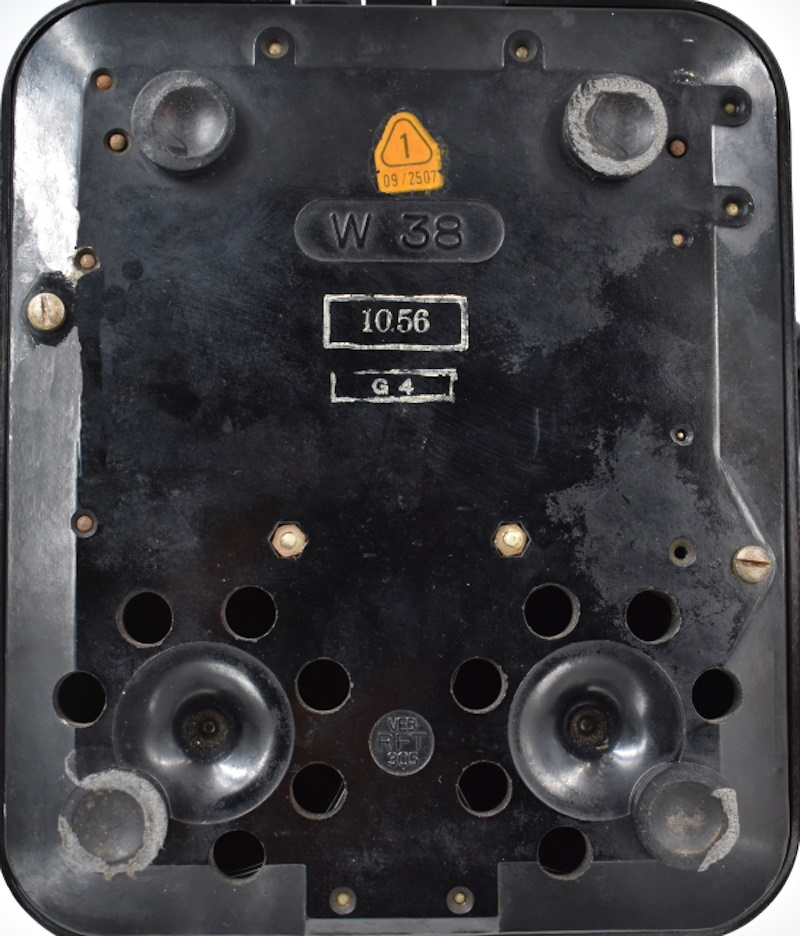
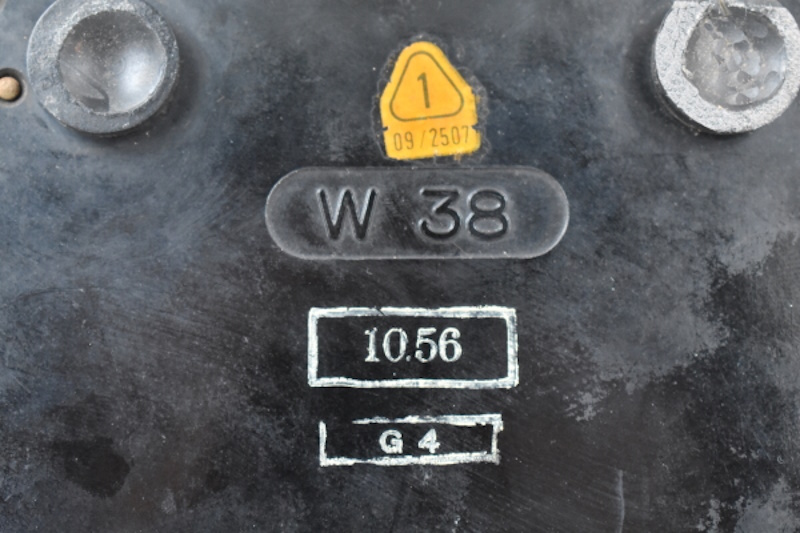
W38

Black
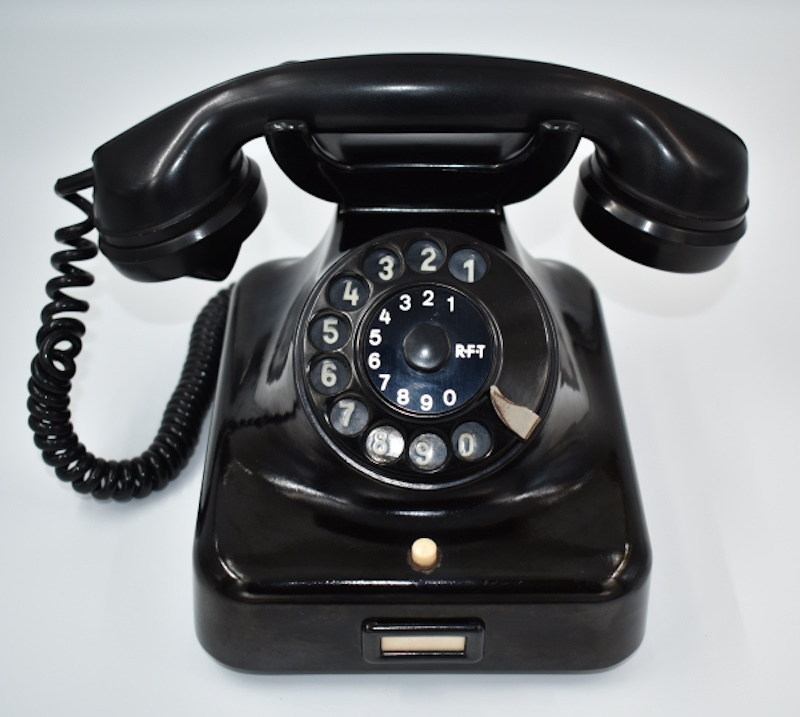
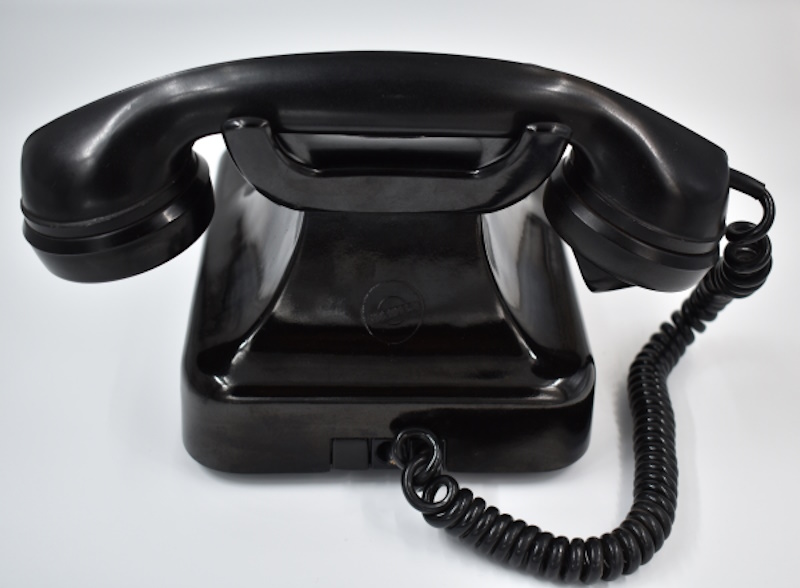
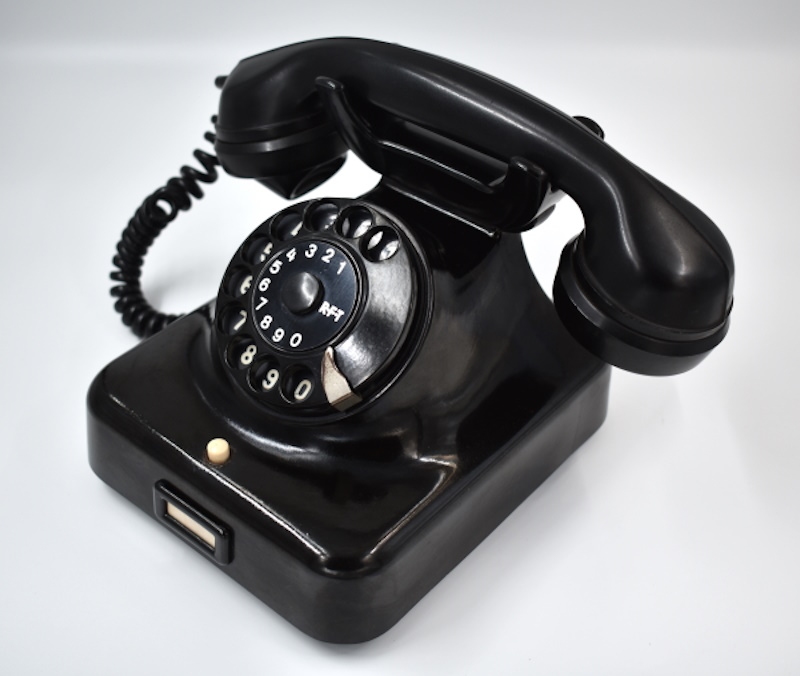
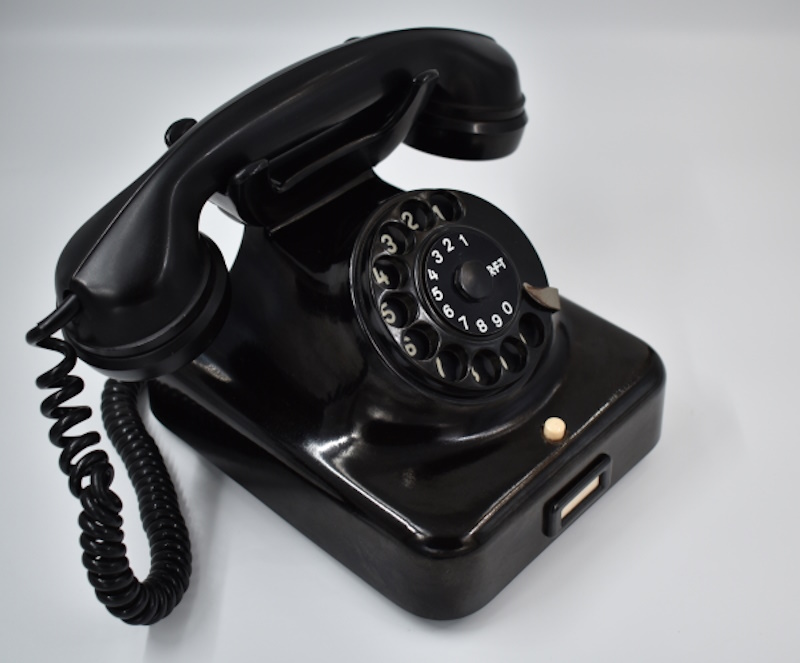
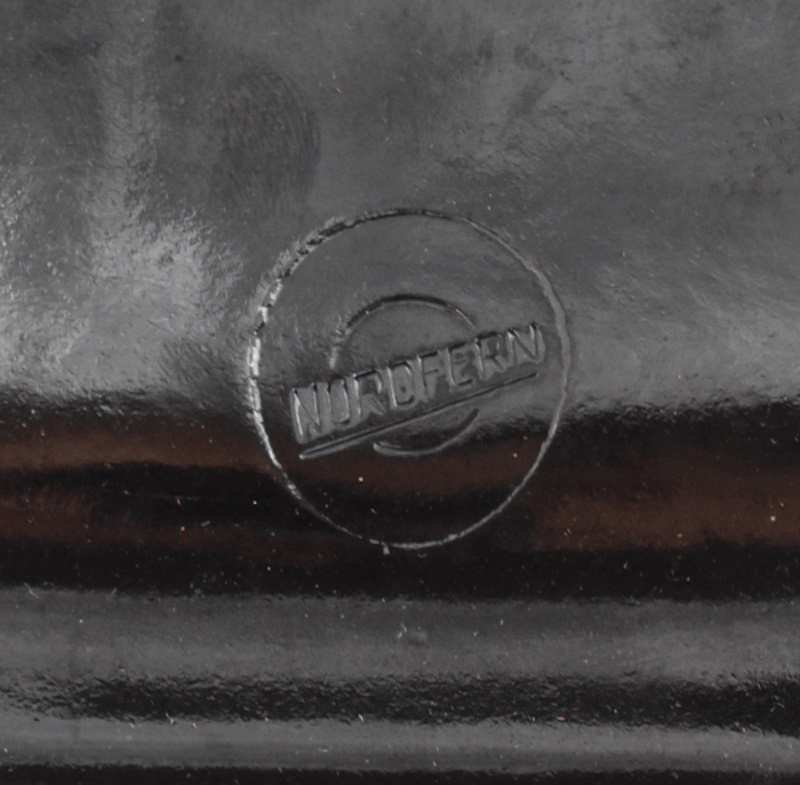
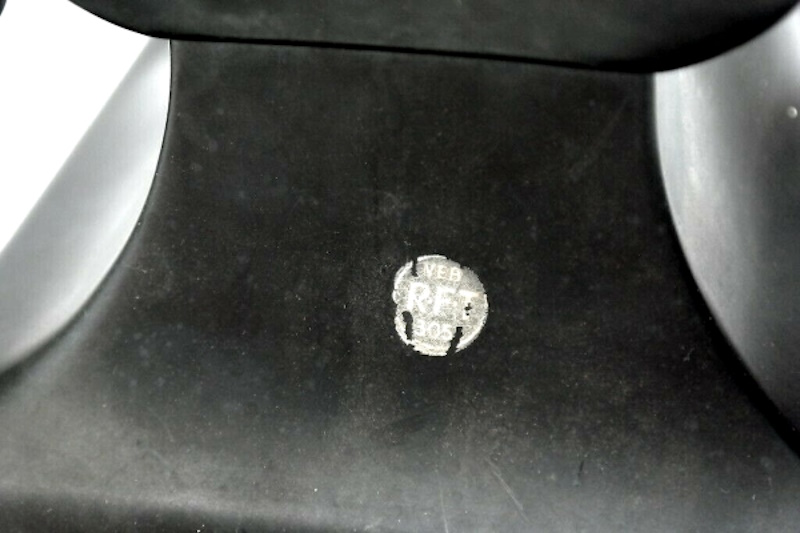
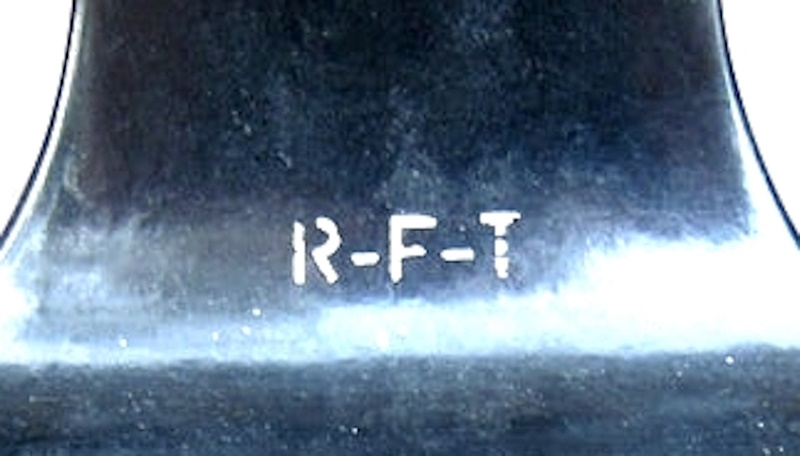
The W 38 desktop phone was largely developed by Siemens & Halske in 1938. It was licensed and entered the production line by various manufacturers. It has been used by the Deutsche Reichspost since 1940 as the successor to the W 28, although the latter was built in parallel. The W 38 is an improvement over the W36 model from 1936, which was not approved for Reichspost. The “NS 38” number switch was first used in the W 38, with an additional contact shorting the last two pulses, this allows the mandatory pause required when dialing between individual digits, which avoids incorrect connections in some cases. In the handle the projection of two parts in the shape of a funnel with the three horizontal slots was adopted unchanged by the model 36. In contrast to the model 36, the base is integrated in the housing-seat. As a result, the sides of the seat are not completely at right angles to the table. It was done mainly for aesthetic reasons because this is not how the base looks. Aesthetically beautiful but technically the Bakelite at the lower edges is thin, so it breaks more easily. The case cover and the W 38 headset are made of Bakelite, mainly in black. The luxury ivory version numbered on the selection tray with white numbers on a black or brown background was only available in very small numbers. The electrical and mechanical components are housed in a solid metal plate and are loosely wired with wiring harnesses. Unlike the model 36, the layout of the components has changed on the base plate. The transmitter and capacitor changed sides, the hook switch was now mounted in the middle. The dual coil ring usually has two steel bells with different steps, which produce a pleasant, harmonious sound. In some production lines the bells were made of pressed glass in dark brown or transparent color and produced a wonderful crystal clear sound. The W 38 was replaced in the Federal Republic of Germany from 1949/50 by the almost identical model W 48. During the war, production declined, which probably explains the rarity of these devices. Pre-war specimens up to 1939 and especially ivory models are absolutely rare. Mostly today there are still very few post-war models from 1946 onwards. It was approved in 1938. However, Reichspost had not ordered this device in large numbers until 1940. By 1941, 30,000 devices had already been used. Unlike the model 36, the layout of the components has changed on the base plate. In the GDR, the W 38 was built for the Deutsche Post by the former DeTeWe Fernmeldewerk Nordhausen (Nordfern, later VEB Fernmeldewerk Nordhausen or VEB RFT) until the 1960s. W 38 is available with and – very rarely – without a ground button. The glass bells were kept until the end of production. The typical color is black, some samples were made in red-wine color. At first it was made with a metal base plate, later the bakelite was used. As with the Reichspost model, an NS 38 was used as a number switch, without a small dial. With many DDR-W 38s you can see a spiral PVC headphone cable, which usually runs to the back center of the housing, but there are also examples with a cable mounted on the left side, as in the old Reichspost model. The original DDR-W 38 is still available quite often today, even though it is often in poor condition. Due to their unrivaled appearance, the 36, W 38 and W 48 models are now considered industrial design classics. Because they were once very common, they are still popular among the German population today. They just represent the “old phone”. A very small number of W38 arrived in Greece during World War II in black.