western electric
TrimelinePhone
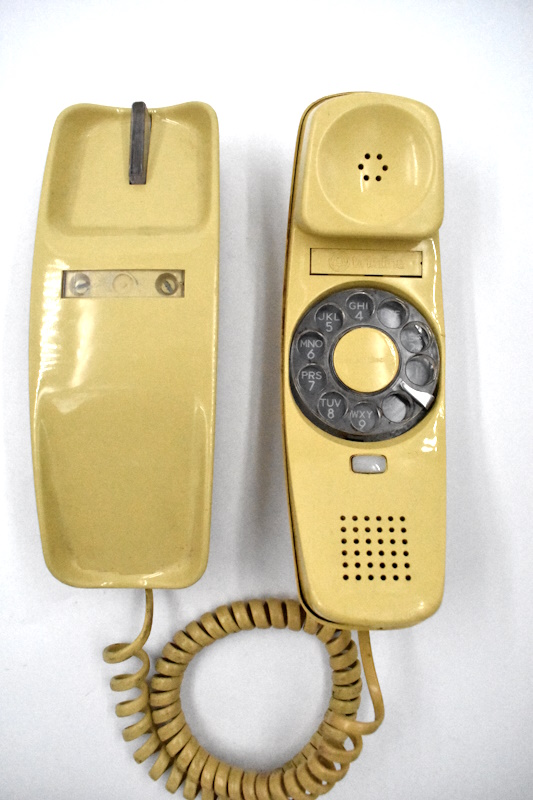
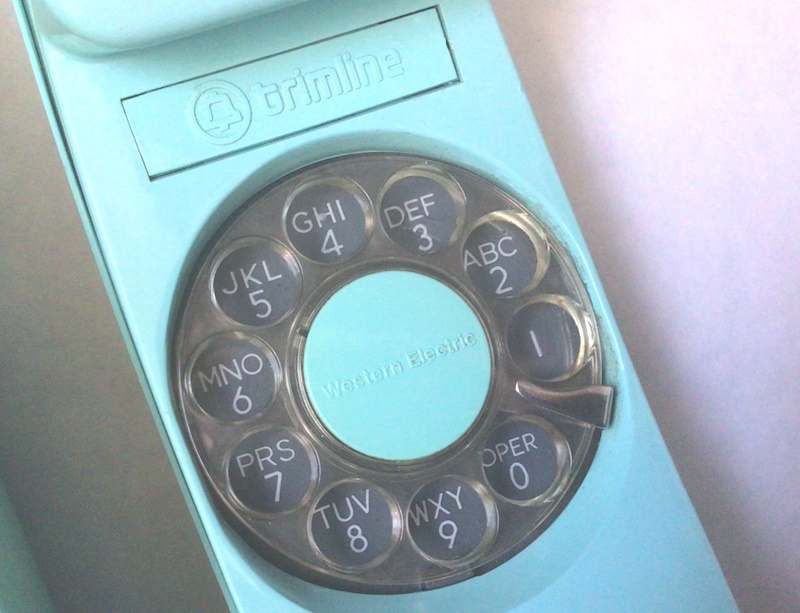
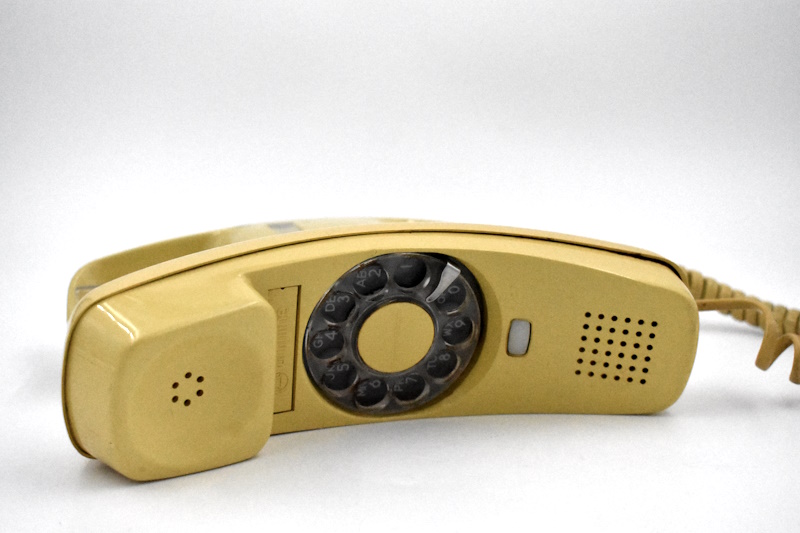
The Trimline telephone was manufactured by Western Electric and first introduced in 1965 and codenamed model 220. The Trimline was also one of the first telephones to use the RJ11 telephone jack. Design of the first version of the Trimline, nicknamed the “Shmoo”, began in 1959. In 1966, a touch-sensitive keyboard was installed, with only ten keys, without the hash and star keys. Two years later, in 1968, the additional two keys were installed, to prepare the devices for the upcoming future digital conveniences. In 1984, AT&T replaced the Bell logo on the devices with its own logo. In 1985, the rotary dial version was discontinued, leaving only the model with buttons and tone dials. In 1986, with the closure of WE factories, production of the phone moved to Singapore and China. In 1993, the production of the model was transferred to Mexico. In 1996, Lucent Technologies separated from AT&T, eliminating the Trimeline inscription. In 1997, Lucent and Philips created the Philips Consumer Communications company, restoring the AT&T inscription on the devices. In 1998, Philips’ joint venture with Lucent was dissolved and in 2000, the production rights were transferred to the Chinese company Vtech, which was renamed Advanced American Technologies. Throughout the life of the Trimline, there were several improvements to its interior, accessories, buttons instead of a rotary selection disc, illuminated dial, etc. The Trimline design featured an illuminated dial within a curved plastic housing. However, the curved earpiece proved difficult to hold between the speaker’s face for hands-free communication because it slipped and was never fixed during the device’s lifetime. Initially, it was manufactured in two versions. The first was the 220-AD model, a desk device, and the second was the 220-AC wall-mounted model. Later, with the development and improvement of the device, a single model was created, which was both for desk and wall mounting. The Trimline was the first American telephone to achieve design recognition in Europe, where it was referred to as the “Manhattan” or “Gondola” model. It was manufactured in eighteen color variations:
- Black WE Trimline Rotary
- Chocolate Brown WE Trimline Rotary
- Light Beige WE Trimline Rotary
- Ivory WE Trimline Rotary
- White WE Trimline Rotary
- Rose Pink WE Trimline Rotary
- Dark Teaberry Pink WE Trimline Touch Tone
- Cherry Red WE Trimline Rotary
- Rust WE Trimline Rotary
- Orange ITT Trendline Touch Tone
- Harvest Gold SC Slenderet Touch Tone
- Pastel Yellow WE Trimline Rotary
- Moss Green WE Trimline Rotary
- Lime Green SC Slenderet Rotary
- Turquoise WE Trimline Rotary
- Aqua Blue WE Trimline Rotary
- Teal Blue WE Trimline Touch Tone
- Light Gray WE Trimline Rotary