gENERAL POST OFFICE
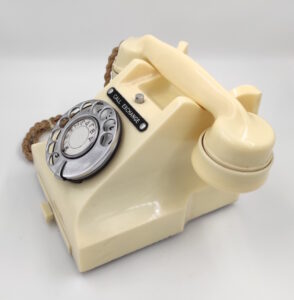
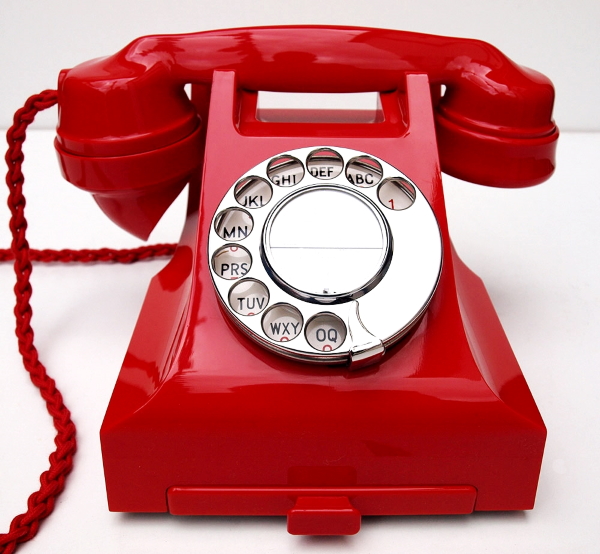
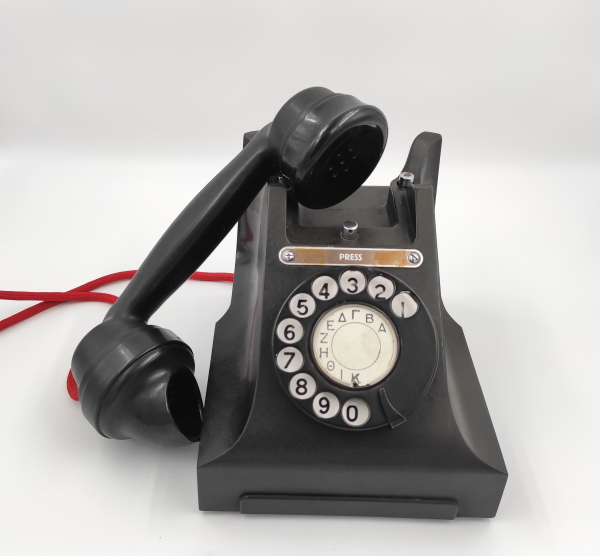
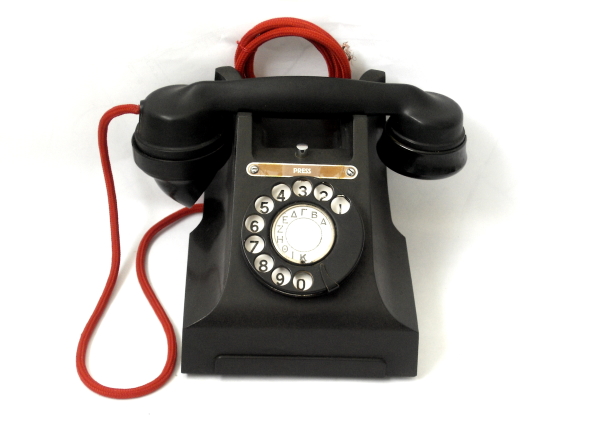
The General Post Office (G.P.O) of the United Kingdom carried the sole responsibility for providing telecommunication services across the country with the exception of Hull. The GPO issued a range of telephone instruments to telephone service subscribers that were matched in function and performance to its telephone exchanges. Until October 1969, the GPO had a monopoly on the provision of all telephone lines and telephones within the UK, other than in Kingston upon Hull , which for historical reasons was unique in maintaining its own municipal telephone service. From the 1st of October 1969, the Post Office Corporation replaced the General Post Office with ownership of the former GPO business. Customers of the PO (known internally as “subs”, short for ‘subscribers’) did not own their telephones. They were instead rented from the GPO, together with the house wiring and the wiring connecting the house to the local network at a connection point known as a DP (distribution point), which was generally located at the top of a nearby telegraph pole. During the early days of telephones, in the UK, a variety of instruments were produced, in low volume, often combining new and emerging technologies with the traditional skills of the wood joiner and cabinetmaker. They were simply known as Type 1, 2, 3 etc. These were often used on simple, internal links, sometimes taking the place of the ‘speaking tube’ in large houses. These instruments had no dials, and signaling consisted of a hand-cranked magneto generator. Often the bell at the other end would just be ‘tinkled’ by simply rattling the switch hooks up and down. From these developed the first, serious, GPO instruments, the 100 series. This comprised the Type 121, a wall phone, and the Type 150, a desk phone. The 162 was originally launched in 1929 as the last of the 100 series. Once its potential was realized it was quickly promoted to a Type number of its own, becoming in 1934 (with some internal modifications) the 232 and staying in production until 1957. The Tele. 162 Handset Micro Telephone, was the first UK phone to incorporate the transmitter and receiver into a single unit, ‘The Handset’, which had not been used on telephones in the UK since the very early metal and wood cased models, and the BPO preference for a separate transmitter and Bell receiver, as on the Tele. 150 and Tele. 121. The 300 series equipment was introduced in 1937. The Tele. 332 ASTIC, Handset Micro Telephone was the standard telephone instrument issued by the GPO from 1937 until 1959, although 242Ls continued to be supplied for pay-on-answer kiosks. Essentially it was a redesign of the 232/bell set 26 combo. The term ASTIC indicates the use of an anti-sidetone induction coil, to permit only a small, controlled amount of speech signal back to the talker’s ear to provide necessary sidetone for a natural communication experience. It continued in production until the mid-1960s.